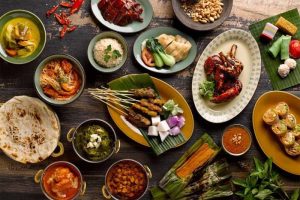
Must-Try Local Cuisine in Maldives
Must-try local cuisine in Maldives – Maldivian cuisine is a unique blend of flavors and influences, making it a must-try for food enthusiasts. The traditional ingredients used in Maldivian dishes reflect the country’s coastal location and rich cultural heritage.
Traditional Ingredients in Maldivian Cuisine
Maldivian cuisine typically includes ingredients such as fish, coconut, rice, and various spices. Fish is a staple in Maldivian cooking, with tuna being one of the most commonly used types of fish. Coconut is also a key ingredient, used in various forms such as coconut milk, grated coconut, and coconut oil.
Other common ingredients include curry leaves, chili, ginger, garlic, and onion.
Significance of Coconut in Maldivian Dishes
Coconut plays a crucial role in Maldivian cuisine, adding a rich and creamy texture to many dishes. Coconut milk is often used as a base for curries and soups, while grated coconut is used as a garnish or filling in desserts.
Coconut oil is also widely used for cooking and adds a distinct flavor to the dishes.
Influence of Indian, Sri Lankan, and Arabic Cuisines on Maldivian Food
The cuisine of Maldives has been influenced by neighboring countries such as India, Sri Lanka, and Arab nations. Indian spices like cumin, coriander, and turmeric are commonly used in Maldivian cooking, adding depth and complexity to the flavors. Sri Lankan influences can be seen in dishes like roshi (flatbread) and mas huni (tuna salad).
Arabic influences are evident in dishes like biryani and snacks like keemia (spiced pastries).
Festival Travel
Traditional festivals in the Maldives are vibrant celebrations that showcase the rich cultural heritage of the islands. These festivals are an important part of the Maldivian way of life and are deeply rooted in the local traditions and customs.
Role of Food in Maldivian Festivals
Food plays a central role in Maldivian festivals, where traditional dishes are prepared and shared among family and friends. These dishes often include fresh seafood, coconut, rice, and a variety of spices that are unique to the Maldivian cuisine.
- One popular dish that is often served during festivals is Garudhiya, a fish soup that is cooked with Maldivian tuna, lime, chili, and curry leaves. This dish is a staple at many festivals and is enjoyed by both locals and visitors alike.
- Another favorite festival dish is Rihaakuru, a thick fish paste that is often served with rice. This dish is known for its rich and savory flavor, making it a must-try for anyone visiting the Maldives during festival season.
- Coconut-based desserts such as Huni folhi and Bondi are also commonly served during festivals, adding a touch of sweetness to the celebrations.
Cultural Significance of Festivals in Preserving Local Cuisine
Maldivian festivals play a crucial role in preserving the local cuisine by passing down traditional recipes from generation to generation. These festivals provide a platform for local chefs and home cooks to showcase their culinary skills and ensure that traditional dishes are not forgotten.
By celebrating festivals and sharing traditional dishes, the Maldivian community keeps its culinary heritage alive and vibrant.
Hiking Trails
When visiting the Maldives, exploring the stunning hiking trails is a must-do activity for nature lovers and adventure seekers. The diverse landscapes and beautiful scenery offer a unique experience for travelers looking to immerse themselves in the natural beauty of the islands.
Popular Hiking Trails in the Maldives
- Feydhoo Trail: Located on the island of Feydhoo in Addu Atoll, this trail offers breathtaking views of the lush greenery and crystal-clear waters of the Maldives.
- Mount Villingili Trail: Hike up Mount Villingili on Villingili Island for panoramic views of the surrounding islands and the Indian Ocean.
- Thulusdhoo Island Trail: Explore the rugged terrain of Thulusdhoo Island and discover hidden beaches and local flora and fauna along the way.
Local Cuisine Experiences Along Hiking Trails
- During your hike, you may come across local vendors selling traditional Maldivian snacks like Bajiya (deep-fried pastries filled with fish or vegetables) or Kulhi Boakibaa (spicy fish cake).
- Some hiking trails pass by small villages where you can sample authentic Maldivian dishes like Garudhiya (fish soup) or Mas Huni (tuna salad with coconut).
- Don’t forget to try a refreshing drink of Kurumba (coconut water) to quench your thirst after a long hike under the tropical sun.
Tips for Travelers Interested in Combining Hiking and Exploring Local Cuisine
- Plan your hiking route in advance and research any local eateries or food stalls along the way to ensure you don’t miss out on trying traditional Maldivian dishes.
- Carry a reusable water bottle and some snacks to keep you energized during your hike, but leave room to sample the local cuisine you encounter along the trails.
- Engage with local vendors and residents to learn more about the food culture of the Maldives and get recommendations on must-try dishes to taste during your hiking adventure.
Travel Reviews
When it comes to exploring a new destination, one of the best ways to get an idea of what to expect is by reading travel reviews. Reviews from travelers who have tried local Maldivian cuisine can provide valuable insights into the unique dishes and dining experiences that await visitors.
Positive reviews play a crucial role in promoting Maldivian cuisine to tourists, enticing them to try something new and immerse themselves in the local food culture.
Highlighting Unique Dishes and Dining Experiences
- Many travelers rave about the traditional Maldivian curry known as “Mas Riha,” made with tuna, coconut milk, and a blend of aromatic spices. The rich flavors and unique combination of ingredients make this dish a must-try for food enthusiasts.
- Another popular dish mentioned in reviews is “Garudhiya,” a clear fish soup served with rice, lime, chili, and onions. This light and refreshing soup is perfect for beachside dining and offers a taste of the Maldivian seafood cuisine.
- Travelers also often praise the local street food scene, with stalls offering freshly grilled fish, spicy snacks like “Keemia” (spicy fish rolls), and sweet treats like “Bajiya” (coconut-filled pastries). These casual dining experiences allow visitors to sample a variety of flavors and textures unique to the Maldives.
Positive Reviews and Promotion of Maldivian Cuisine
- Positive reviews from travelers who have enjoyed Maldivian cuisine help create a buzz around local dishes, sparking curiosity among potential tourists and encouraging them to explore the culinary delights of the islands.
- Word-of-mouth recommendations and glowing reviews on travel platforms and social media platforms can attract food lovers seeking authentic and diverse dining experiences, positioning Maldivian cuisine as a highlight of their trip.
- By showcasing the flavors, colors, and cultural significance of Maldivian dishes through positive reviews, tourists are more likely to step out of their culinary comfort zones and savor the unique tastes of the Maldives, contributing to the overall appeal of the destination.
Travel Accessories
When it comes to exploring the local cuisine in the Maldives, having the right travel accessories can make a big difference in your culinary experience. From trying street food to dining at local restaurants, here are some essential accessories for food enthusiasts visiting the Maldives.
Portable Cutlery Set
- Carrying a portable cutlery set is crucial when trying local cuisine in the Maldives, especially if you plan to sample street food or take food to-go.
- Opt for a lightweight and compact set that includes a fork, knife, spoon, and chopsticks to ensure you are prepared for any type of dish.
- Consider choosing a set made from eco-friendly materials like bamboo or stainless steel for sustainability.
Reusable Water Bottle
- Staying hydrated is essential while exploring the Maldives, so carrying a reusable water bottle is a must.
- Look for a durable and leak-proof bottle that you can refill throughout the day to reduce plastic waste and stay hydrated on your culinary journey.
- Some restaurants and cafes in the Maldives may offer water refills, making a reusable bottle a convenient accessory to have on hand.
Insulated Food Container
- For food enthusiasts looking to bring back local delicacies or leftovers from restaurants, an insulated food container is a handy accessory.
- Choose a container that is lightweight, airtight, and easy to clean to keep your food fresh while traveling.
- An insulated food container can also be useful for picnics or beach outings, allowing you to enjoy your favorite Maldivian dishes on the go.
Road Adventures
Road trips in the Maldives offer a unique opportunity to explore the local cuisine in a more immersive way. Travelers can discover hidden gems and authentic dishes that may not be easily accessible in more touristy areas.
Culinary Adventures on the Road
Embarking on a road trip in the Maldives opens up a world of culinary delights, allowing travelers to taste traditional dishes in local eateries and markets. Many travelers have shared their experiences of stumbling upon delicious seafood dishes, aromatic curries, and refreshing tropical fruits while on the road.
Best Routes for Food Exploration, Must-try local cuisine in Maldives
- Male to Addu City: This route takes you through various islands where you can savor fresh seafood dishes and unique Maldivian flavors.
- Hulhumale to Thulusdhoo: Explore local cafes and street food stalls along the way to taste authentic Maldivian snacks and beverages.
- Dhangethi to Maafushi: Indulge in traditional Maldivian cuisine at family-run restaurants and local markets on these islands.
Tropical Islands
The Maldives, known for its stunning tropical islands, offers a diverse culinary experience that varies from one island to another. The food offerings on popular tourist islands differ significantly from those on lesser-known local islands, showcasing the unique flavors and ingredients used in Maldivian cuisine.
Diverse Culinary Experiences
When visiting popular tourist islands in the Maldives, travelers can expect a wide range of dining options, from luxurious resort restaurants serving international cuisine to beachside cafes offering freshly caught seafood. These islands cater to the preferences of international visitors, providing a mix of traditional Maldivian dishes and Western favorites.On the other hand, exploring the local islands reveals a more authentic taste of Maldivian cuisine.
Here, visitors can sample traditional dishes prepared by local chefs using fresh ingredients sourced from the surrounding waters and land. These local eateries offer a glimpse into the culinary heritage of the Maldives, with dishes that highlight the flavors of coconut, tuna, and aromatic spices.The island setting plays a crucial role in shaping the flavors and ingredients used in Maldivian cuisine.
With an abundance of fresh seafood available, dishes like mas huni (tuna salad) and garudhiya (fish soup) are staples in the local diet. Coconuts, another key ingredient, are used in various forms, such as coconut milk and grated coconut, adding richness and depth to many dishes.Exploring the tropical islands of the Maldives allows travelers to indulge in a culinary journey that showcases the vibrant flavors and unique ingredients of Maldivian cuisine.
Whether dining in a luxury resort restaurant or savoring a homemade meal on a local island, the diverse culinary experiences in the Maldives are sure to leave a lasting impression on food enthusiasts from around the world.
Travel Rewards
Trying local cuisine in the Maldives can greatly enhance a traveler’s overall experience by providing a deeper immersion into the culture and traditions of the destination. Food is a fundamental aspect of any culture, and by indulging in Maldivian dishes, visitors can not only satisfy their taste buds but also gain a better understanding of the local way of life.
Loyalty Programs and Rewards
When it comes to exploring local cuisine in the Maldives, some restaurants may offer loyalty programs or rewards for patrons who try Maldivian dishes. These programs can incentivize travelers to step out of their culinary comfort zone and sample traditional delicacies while earning perks or discounts in return.
By participating in these programs, visitors can not only enjoy a diverse range of flavors but also potentially save money on their dining experiences.
- Some restaurants in the Maldives offer loyalty cards that accumulate points for each Maldivian dish tried.
- Patrons may receive discounts on future meals, complimentary dishes, or even exclusive access to special events through these loyalty programs.
- By actively engaging with these rewards systems, travelers can make their culinary adventures in the Maldives more rewarding and memorable.
Maximizing Travel Rewards
To maximize travel rewards when exploring local cuisine during a trip to the Maldives, consider the following tips:
- Research restaurants with loyalty programs before your trip and prioritize dining at these establishments to earn rewards.
- Ask locals or hotel staff for recommendations on the best places to try authentic Maldivian dishes that also offer loyalty rewards.
- Keep track of your progress in loyalty programs to ensure you are taking full advantage of the benefits offered.
- Consider sharing your culinary experiences on social media and tagging the restaurants to potentially unlock additional rewards or special promotions.
Winter Getaways
As winter approaches, the Maldives becomes a delightful destination for food lovers seeking a unique culinary experience amidst the tropical paradise. The islands offer a perfect escape from the cold weather, allowing visitors to indulge in the warmth of the sun while savoring the local flavors.
Seasonal Dishes and Specialties
During the winter months in the Maldives, tourists can enjoy an array of seasonal dishes and specialties that showcase the best of the local cuisine. One popular dish is Garudhiya, a traditional fish soup made with tuna, coconut, chili, and other spices.
This hearty and flavorful soup is perfect for warming up on cooler evenings.Another must-try dish during the winter season is Mas Huni, a breakfast staple made with shredded smoked tuna, coconut, onion, and chili, typically served with flatbread. The rich and savory flavors of Mas Huni provide a delicious start to the day and give visitors a taste of authentic Maldivian cuisine.
Influence of Winter Season on Local Cuisine
The winter season in the Maldives influences the availability and flavors of local cuisine in various ways. With cooler temperatures, certain ingredients may be more abundant, leading to the creation of unique dishes that are specifically enjoyed during this time of year.
Additionally, the cooler weather may inspire chefs to experiment with different cooking techniques and flavor combinations, resulting in seasonal specialties that highlight the best of Maldivian cuisine.
Camping Sites: Must-try Local Cuisine In Maldives
When it comes to exploring the Maldives, camping enthusiasts have a unique opportunity to connect with nature and immerse themselves in the local culture. Camping sites in the Maldives offer a great way to experience the stunning beauty of the islands while also enjoying the delicious local cuisine.
Tips for Cooking Local Dishes while Camping
- Bring portable cooking equipment: Make sure to pack lightweight cooking essentials such as a portable stove, utensils, and cookware to prepare local dishes while camping.
- Shop at local markets: Visit the local markets to purchase fresh ingredients like fish, coconut, and tropical fruits to use in your camping meals.
- Learn traditional cooking methods: Embrace the traditional Maldivian cooking techniques like grilling fish over an open flame or cooking curries with local spices to enhance the flavor of your camping meals.
- Experiment with local recipes: Try your hand at preparing traditional Maldivian dishes like Garudhiya (fish soup), Mas Huni (tuna salad), and Bis Keemiya (spicy fish rolls) to elevate your camping culinary experience.
Unique Dining Experiences with Maldivian Cuisine
- Beachside BBQs: Enjoy a beachside BBQ under the starlit sky, grilling freshly caught fish and seafood while soaking in the picturesque views of the ocean.
- Sunset picnics: Set up a picnic on the sandy shores during sunset and indulge in local snacks like Kulhi Boakibaa (fish cake) and Bondi (coconut balls) for a memorable dining experience.
- Cultural cooking classes: Participate in cooking classes offered by local chefs to learn about Maldivian culinary traditions and techniques, and savor the dishes you prepare in a beautiful outdoor setting.
Wildlife Safaris
Exploring the wildlife in the Maldives not only offers a chance to see the diverse flora and fauna but also provides opportunities to delve into the local cuisine that is influenced by the surrounding environment and resources.
Dining Options During Wildlife Safari Tours
When embarking on wildlife safari tours in the Maldives, visitors can expect to enjoy freshly prepared seafood dishes such as grilled fish, lobster curry, and coconut-infused tuna. These meals often incorporate local spices and herbs, giving tourists a taste of the authentic Maldivian culinary experience.
- Sample traditional Maldivian dishes like Garudhiya, a fish soup served with rice, lime, chili, and onions, during a lunch break amidst the natural beauty of the islands.
- Indulge in hedhikaa, a variety of savory snacks like fish cakes, fried pastries, and coconut-flavored treats, while observing the local wildlife in their natural habitat.
- Experience a beachside barbecue featuring freshly caught seafood and tropical fruits, creating a memorable dining experience under the starlit sky.
Conservation Efforts and Culinary Practices
The conservation efforts in the Maldives to protect the rich marine life and biodiversity also play a role in shaping local culinary practices. Sustainable fishing methods and responsible sourcing of ingredients ensure that traditional dishes can continue to be enjoyed for generations to come.
By supporting eco-friendly initiatives and conservation projects, visitors can contribute to the preservation of the natural resources that sustain the unique flavors of Maldivian cuisine.
Travel Vlogs
Travel vlogs have become increasingly popular in showcasing unique travel experiences, including exploring local cuisines. When it comes to Maldivian cuisine, travel vlogs play a significant role in highlighting the diverse flavors and culinary traditions of the islands. Through engaging visuals and storytelling, these vlogs provide viewers with a glimpse into the vibrant food scene of the Maldives, enticing them to try out the local dishes themselves.
Review popular travel vlogs showcasing Maldivian cuisine experiences
- One popular travel vlog that showcases Maldivian cuisine experiences is “Taste of Maldives,” where the host takes viewers on a culinary journey across the islands, sampling traditional dishes and street food.
- Another well-known vlog is “Maldives Eats,” focusing on exploring the local markets, restaurants, and home-cooked meals to give viewers an authentic taste of Maldivian cuisine.
Discuss the role of visual storytelling in promoting local cuisine to a global audience
- Visual storytelling in travel vlogs helps bring the vibrant colors, textures, and flavors of Maldivian dishes to life, creating a sensory experience for viewers.
- By showcasing the preparation process, ingredients used, and the cultural significance of each dish, travel vlogs create a connection between the audience and the local cuisine, sparking interest and curiosity.
Analyze the impact of travel vlogs on influencing tourists to try Maldivian dishes
- Travel vlogs have a significant impact on influencing tourists to try Maldivian dishes by showcasing the delicious and unique culinary offerings of the islands.
- Through immersive experiences and personal recommendations from vloggers, viewers are encouraged to step out of their comfort zones and explore the local food scene, contributing to a more authentic travel experience.
Car Rentals
When it comes to exploring local cuisine in the Maldives, renting a car can be a convenient and efficient way to discover the hidden gems of Maldivian food culture. Not only does it provide flexibility in terms of travel itinerary, but it also allows you to access more remote and off-the-beaten-path dining establishments that may not be easily reachable by public transportation.
Best Types of Vehicles for Culinary Adventures
- Compact cars: Ideal for navigating through narrow streets and parking in crowded areas, especially in urban centers where many local eateries are located.
- 4×4 vehicles: Perfect for exploring more rugged terrains or reaching secluded dining spots in the Maldives, such as beachfront cafes or restaurants overlooking the ocean.
- Scooters or motorcycles: Great for short trips or solo travelers looking for a quick and easy way to move around the islands while sampling different local dishes.
Safety Tips and Driving Regulations
- Always wear a seatbelt and follow the speed limits, as road conditions in the Maldives can vary, especially on smaller islands with narrow roads.
- Drive on the left side of the road and be aware of local traffic rules, including the use of headlights during the night and yielding to pedestrians in designated crosswalks.
- Avoid driving under the influence of alcohol or drugs, as strict penalties apply for violations related to impaired driving.
Convenience of Car Rentals for Food Exploration
- Freedom to explore at your own pace and visit multiple dining establishments in a day without relying on public transportation schedules.
- Ability to venture off the beaten path and discover authentic local eateries that may not be easily accessible by other means of transportation.
- Flexibility to tailor your culinary adventure based on personal preferences and recommendations from locals or food enthusiasts in the Maldives.
Scenic Routes
When exploring the Maldives, don’t miss out on the picturesque routes that offer stunning views of the islands and the ocean. These scenic drives not only provide a feast for the eyes but also present an opportunity to indulge in local Maldivian cuisine along the way.
Planning Culinary Stops
It is essential for travelers to plan culinary stops along scenic routes to fully immerse themselves in the Maldivian food culture. By incorporating local cuisine experiences into their road trips, travelers can savor authentic flavors and appreciate the diverse culinary offerings of the region.
- Research local eateries and food stalls along the route to discover hidden gems serving traditional Maldivian dishes.
- Consider trying popular street food items such as masroshi (stuffed flatbread), keemia (deep-fried snacks), and hedhikaa (short eats) for a true taste of Maldivian street food.
- Opt for seafood specialties like mas huni (tuna salad) or garudhiya (fish soup) at seaside restaurants for a fresh and flavorful dining experience.
Weekend Getaways
Weekend getaways in the Maldives offer a perfect opportunity to explore the local cuisine and immerse yourself in the rich food culture of the islands.
With limited time, it’s essential to focus on quick culinary experiences that capture the essence of Maldivian dishes. These weekend trips allow you to sample a variety of local delicacies in different parts of the Maldives, providing a well-rounded culinary experience.
Local Cuisine Exploration Itineraries
- Start your weekend getaway by visiting local markets in Male, the capital city, to sample traditional street food like masroshi (stuffed flatbread) and hedhikaa (short eats).
- Head to the fishing village of Felidhoo to enjoy freshly caught seafood dishes such as garudhiya (fish soup) and mas huni (tuna salad).
- Explore the atolls of Baa and Raa to savor authentic Maldivian curries, like mas riha (fish curry) or rihaakuru (fish paste).
Top FAQs
What are the traditional ingredients used in Maldivian cuisine?
Maldivian cuisine often includes staples like fish, coconut, rice, and various spices like curry leaves, cardamom, and turmeric.
How does food play a role in Maldivian festivals?
Food plays a central role in Maldivian festivals, with traditional dishes being prepared and shared as a way to celebrate cultural heritage and community.
What is the significance of coconut in Maldivian dishes?
Coconut is a key ingredient in Maldivian cuisine, adding a rich and creamy texture to many dishes while also offering a hint of sweetness.